The Middle East’s inflection point
No one wants all-out war. It might happen anyway.
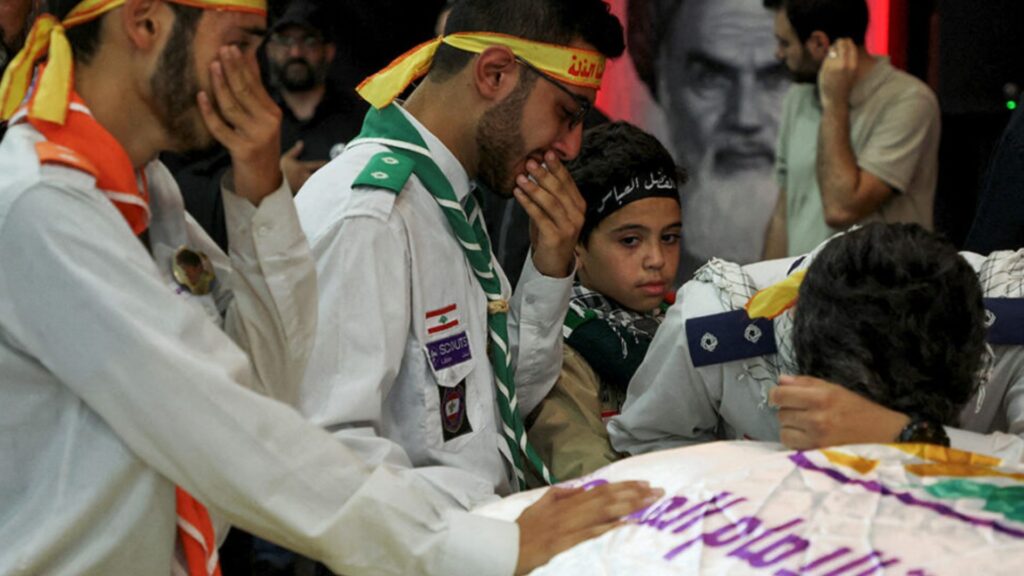
As the sun dipped below the horizon on the evening of 30 July, an explosion thundered across the Lebanese capital, Beirut. Within seconds a plume of smoke rose above the cityscape, leaving behind an apartment building reduced mostly to rubble.
Israel claimed responsibility for the attack, which killed the senior Hezbollah commander, Fouad Shukur, who Israel blames for orchestrating a 27 July strike in the Israel-occupied Golan Heights that killed 12 children and teenagers.
The Israeli airstrike was more severe than some expected. In targeting densely populated Beirut, Israel disregarded the advice of its number one backer, the US. It marks the second time since 7 October Israel has hit Beirut’s southern Dahieh suburb, where Hezbollah has political and security operations, but which is also filled with bustling markets and vibrant communities. . At least four civilians died in the attack, including two women and two young children, and some 68 people were injured, according to Lebanon’s public health ministry.
Then, just hours later before the run rose, an airstrike killed Hamas’s top political leader, Ismail Haniyeh, in Tehran, the capital of Israel’s bitter rival, Iran. The strike was announced by the militant group, who blamed Israel for the strike. Haniyeh — who was playing a leading role in ongoing ceasefire and hostage negotiations — is the highest-profile member of Hamas to be killed during Israel’s war in Gaza.