EU-Lebanon aid deal blows back on Syrian refugees
A billion-euro EU aid package to Lebanon, in part to stem migration, caused an uproar in the country and triggered a crackdown on Syrian refugees that advocates warn will only push more to flee abroad
22 May 2024
Beirut, Lebanon — A billion-euro European Union (EU) aid package to Lebanon, in part aimed at stemming irregular migration, gave a green light for an “unprecedented” crackdown on Syrian refugees in the Mediterranean country, human rights advocates say. They warn increased pressure and deportations of refugees will drive more to risk their lives to reach Europe.
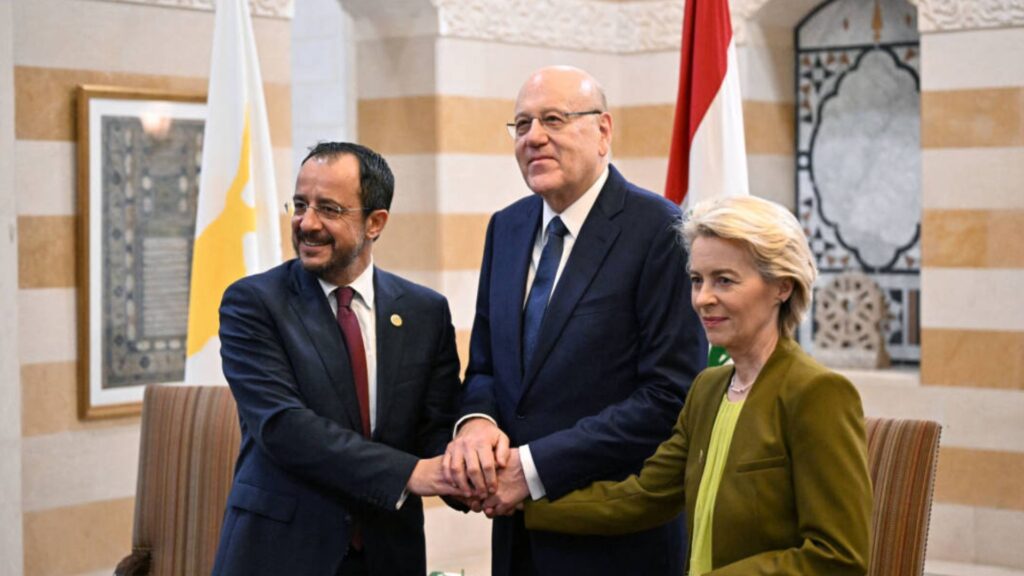
On May 2, European Commission President Ursula von der Leyen announced the EU would provide Lebanon with 1 billion euros until 2027, with 736 million euros going to support Syrian refugees and other “vulnerable groups” in Lebanon and 200 million euros to bolster Lebanese security agencies in enforcing border and migration controls.
On May 8, less than a week after von der Leyen’s aid announcement, Lebanon’s General Security—the agency in charge of enforcing immigration laws—announced a country-wide crackdown on Syrians “illegally” residing in the country without residency papers. Most Syrians in Lebanon do not have legal residency, largely due to stringent renewal procedures.
General Security mandated the closure of “illegal” Syrian-run businesses and ordered Lebanese citizens not to “employ, shelter or provide housing” to Syrians without residency, among other directives. It also resumed Lebanon’s “voluntary return” campaign. Human rights groups have condemned the measures.
“Von der Leyen’s visit triggered an unprecedented hate campaign against Syrians, unseen in the last 12 years,” Wadih al-Asmar, head of the EuroMed Rights human rights network and the Lebanese Center for Human Rights (CLDH) in Lebanon, told Syria Direct.
Lebanon hosts the largest number of refugees per capita and per square kilometer in the world. The government estimates that around 1.5 million Syrian refugees reside in the country, which has a population of about 5.2 million.
Hostilities towards Syrian refugees were already high in Lebanon following the killing of Pascal Sleiman, a member of a right-wing Christian political party, in April. The inclusion of EU aid for Syrians in the announced aid package also ignited an uproar among multiple Lebanese political parties, who said the EU was “bribing” Lebanon to keep unwanted Syrians.